Does AI Actually Care More About Your Venue Leads Than You Do?


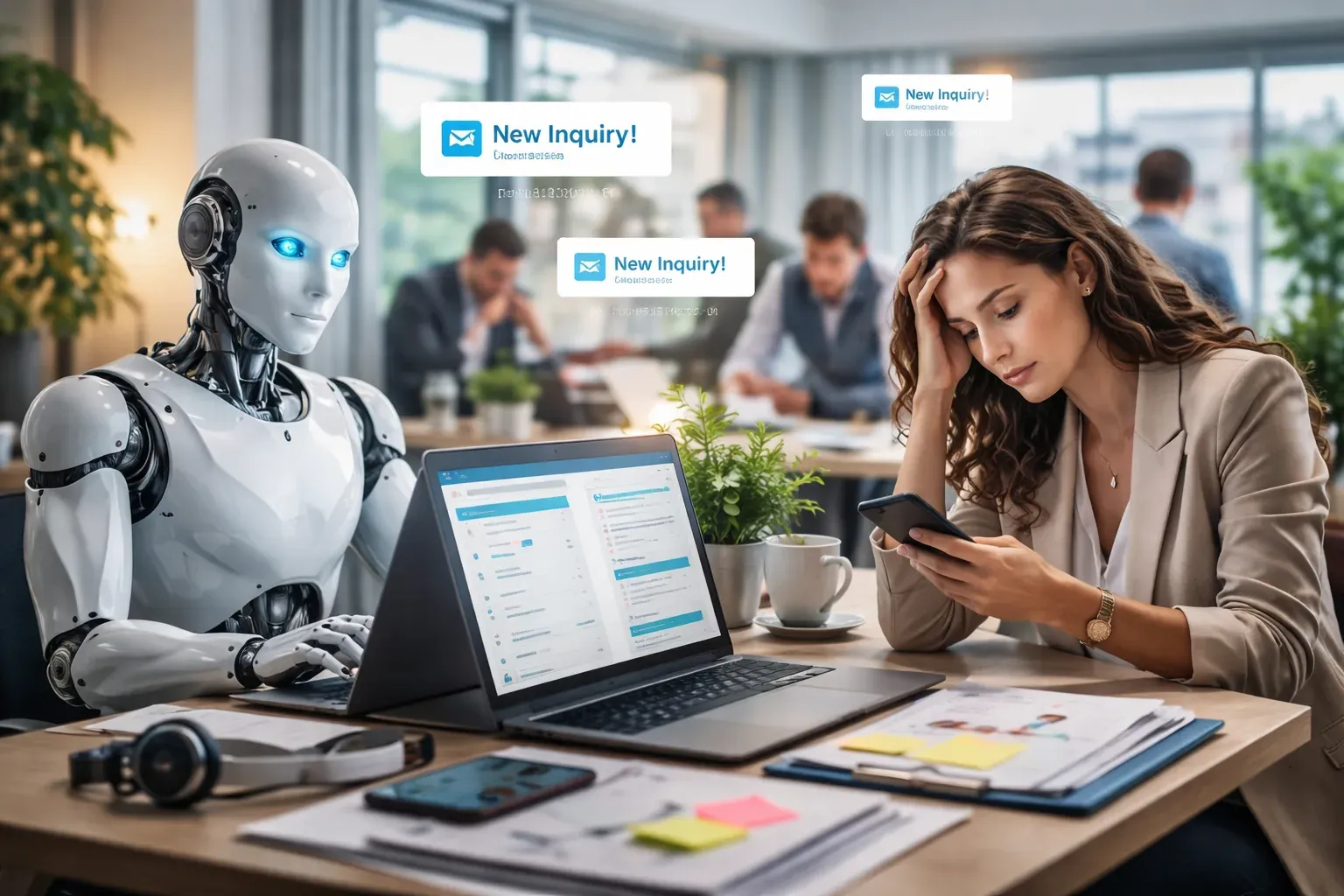
No one doubts that your sales team cares about every inquiry that comes through the door. But they’re also juggling tours, tastings, a full inbox, and the kind of mental fatigue that makes a 9:00 PM notification feel like it can wait until morning.
AI doesn’t experience any of that. It’s not more dedicated than your team; it just doesn’t need sleep, food, or a mental break. And in venue sales, where the first five minutes can make or break a booking, that limitation can cost a lot.
What You’ll Learn
- The “Golden Window” of Responsiveness: Why the first five minutes decide everything — and why your team physically can’t win that race.
- Radical Personalization at Scale: How AI remembers every detail, every time, without mixing up clients or having an off day.
- Consistency vs. Human Variability: Why AI doesn’t cherry-pick leads or give up after two follow-ups.
- Freeing Humans to Be “More Human”: AI handles the grind so your team can focus on tours, consultations, and closing.
- The Numbers That Make This Real: Conversion lifts, response time data, and what it means for your bottom line.
Why This Matters Right Now
Most venue operators and event professionals genuinely care about their leads. They want to respond quickly and personalize every message. They want to follow up at the right time. But wanting to and actually doing it are two very different things.
WeddingPro’s research tells a clear story: 7 in 10 couples say responsiveness is the single most important factor when choosing a vendor. Yet 40% of those same couples say they didn’t hear back within five days of submitting an inquiry — a major communication gap and a very easy way to improve conversion rates.
Venues typically convert only 5–10% of inquiries into bookings, so nine out of ten leads never become revenue. Not because the leads weren’t interested, but because someone else responded faster.
1 | The “Golden Window” of Responsiveness
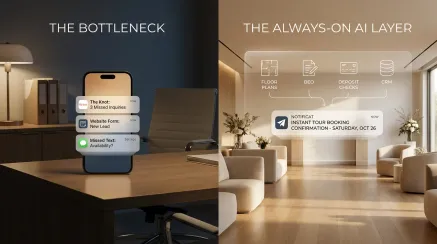
AI doesn’t get distracted by a phone call. It doesn’t take a lunch break. It doesn’t see a 9:47 PM inquiry and think “I’ll deal with that in the morning.” It responds while the lead’s intent is at its absolute highest.
Speed matters in venue sales because couples rarely ever check out just one space. The venue that responds first often sets the tone for the entire decision-making process.
Speed to lead is so important, and Breezit AI is not only fast but accurate! I am seeing higher inquiry to tour and tour to booking conversions.
That’s the sort of leverage you want for better conversion rates.
Humans can’t sustain that 24/7, but AI can. And in a business where every delayed response is a potential $6,000+ booking walking out the door, “waiting until the next morning” means lost revenue.
2 | Radical Personalization at Scale
People think personalization means adding a first name to a template. It doesn’t. Real personalization means responding to what someone actually wants to know.
Unlike a salesperson, AI doesn’t mix things up. It doesn’t have “off days.” It remembers every detail from every inquiry. When a lead mentions a 150-person Saturday wedding in October, the AI cross-checks your availability, pulls the right pricing tier, and crafts a response that addresses those specifics — not a vague “Thanks for your interest! Here’s our brochure.”
A well-trained AI also maintains your brand voice 24/7. Your sales team might be fantastic when they’re fresh, but after a 10-hour day, the 47th email doesn’t get the same energy as the first. That’s not a knock on them — that’s just being human.
Another key detail people often miss: a good AI doesn’t try to bluff. If it doesn’t have the answer, it won’t guess or invent one — it hands things over to a human. In many cases, that’s actually safer than a rushed reply from someone who might quote outdated pricing or overlook a recent policy change.
3 | Consistency vs. Human Variability
This one might be uncomfortable to talk about, but it’s real.
Humans cherry-pick leads — not maliciously or even consciously, most of the time. But when your inbox has 30 new inquiries, your brain naturally gravitates toward the ones that look promising: big guest counts, Saturday dates, the ones that “feel” like they have the budget.
AI doesn’t do that. It treats every lead with equal attention because it doesn’t have assumptions about which inquiries are “worth it.” And those “small” leads sometimes turn into referrals, repeat business, or bigger events than you expected. Leaving potential revenue on the table because someone looked like a long shot is a luxury most businesses can’t afford.
Most leads don’t book after the first message, with studies suggesting it takes eight touchpoints to convert a prospect into a client. Yet more than half of leads never receive a second outreach because humans feel like they’re “bothering” someone after two or three attempts. They get self-conscious and move on to newer, shinier leads.
AI will follow up a fourth time with the same professionalism as the first. Done well, it doesn’t feel awkward or pushy — it just does the job, and that persistence converts.
4 | Freeing Humans to Be “More Human”
The aim of using AI is to protect your team from burnout so they can do what they’re actually great at — while the AI focuses on the tiring, repetitive tasks.
Right now, a venue coordinator might spend five hours a day answering “Is this date available?” and “What’s your pricing for 100 guests?” and “Do you allow outside catering?” These questions are important, but repetitive, predictable, and perfectly suited for AI.
When AI handles the initial data collection, FAQ responses, availability checks, and follow-up sequences, your human team shows up to the job refreshed — ready to build rapport, share a story about a memorable event, and ultimately negotiate a package that works for everyone.
According to McKinsey & Company, AI-driven sales tools reduce call time by 60–70% and cut costs by 40–60%, freeing your team for high-value activities like tours, tastings, and relationship-building.
The human moment is the interaction that wins the booking. AI just makes sure more leads actually get to that moment — replacing administrative drag, not human connection.
5 | The Numbers That Make This Real
Venues using AI sales assistants have reported 35–50% increases in tour bookings. Not from buying more leads or dropping prices, but from responding faster and better to the leads they already have.
Think about what that means in real dollars. If your venue does $90,000 in annual revenue and you’re converting more of your existing pipeline, a 35% lift could mean an extra $27,000 to $45,000 per year — just from fewer leads falling through the cracks.
The speed-to-lead comparison is stark. Most human teams respond in hours or days, while AI can respond in seconds. Only 7% respond in time, while 82% of clients expect immediacy. That’s a massive mismatch — and the venues that close it win.
The event industry’s typical reaction to slow sales is to buy more leads or adjust pricing. But if your responsiveness and personalization are lagging, those investments underperform. Fixing the response layer first means every dollar you spend on lead generation actually has a chance to convert.
So Does AI Actually “Care” More?
It doesn’t “care” about your leads the way you do. But if we define caring by actions — who remembers the details, who follows up without giving up, who doesn’t let a good lead die because it was a busy week — then AI demonstrates caring more consistently than any human team can.
That’s not a criticism of your team. It’s a recognition that we’ve been asking humans to do something impossible: be perfectly responsive, perfectly personalized, and perfectly persistent — all day, every day, across every channel, without ever getting tired.
The best venues in 2026 aren’t choosing between AI and humans. They’re using AI to make their humans better. Speed and personalization earn the booking; your team earns the relationship. Together, they can take your business to the next level.