What Gen Z and Millennial Customers Expect From Venues and Event Pros


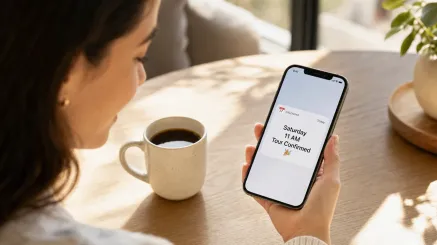
Gen Z and Millennial customers don’t expect perfection. They expect momentum. They want quick answers and a booking process that doesn’t feel confusing.
That matters because Gen Z and Millennial buyers are often comparing multiple options at once. They’re looking at pricing, availability, policies, guest counts, and overall fit — all while trying to keep planning stress to a minimum. When a venue is slow, it doesn’t always kill a lead, but it does make it easier for them to move on to another venue.
WeddingPro’s venue research shows that couples use three to four resources during venue search, look at about five venues, and visit four on average. It also found that Gen Z couples are more likely than Millennials to use online chats and video calls during planning. That tells you a lot about the reality venues are operating in heading into 2026.
McKinsey’s 2025 consumer research supports a wider shift: Gen Z consumers are helping set the tone for broader consumer expectations, which helps explain why speed, convenience, and a smoother buying experience matter more across categories. It’s not venue-specific research, but those expectations carry over all the same.
Key Takeaways
- Speed matters: Gen Z and Millennial event leads expect fast replies — slower responses could cost you.
- Clarity builds trust: Transparent pricing, policies, and what’s included should be available from the jump.
- Channel flexibility matters: Buyers expect to move between email, text, phone, and forms without losing context.
- Personalization should feel real: Generic, impersonal responses tend not to be taken seriously.
- Easy next steps win business: Tour scheduling, proposals, and follow-up should feel simple and immediate.
What Gen Z and Millennial Buyers Expect Now
Before talking about how to meet these expectations, it helps to define what Gen Z and Millennial buyers actually want.
They want fast replies — but not empty ones. A quick response only helps if it answers the questions they actually asked. Buyers want to know whether their date works, whether the venue is on budget, what’s included, and what happens next.
Transparency matters, too. People want information that’s easy to find and understand, especially around pricing, packages, and fees. That doesn’t mean the venue needs to publish every detail upfront — just enough to answer the most common questions. You never want a customer to feel like they’re being misled or uncertain when it’s time to sign the contract.
The idea is to reduce friction. Buyers want a process that feels clear and easy to move through, and the venues that do that well tend to make a better impression early.
Channels Should Feel Connected
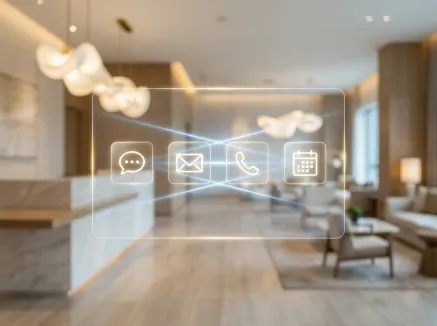
Potential buyers want interactions to feel connected. Channel continuity is just as important as channel variety. This Salesforce report highlights how frustrating disconnected handoffs can be. For venues, the takeaway is not just to offer multiple channels, but to make those channels feel coordinated.
To keep it simple: buyers want a process that’s easy to follow. They don’t want to dig for answers or wait days for a reply. Slow response times don’t automatically lose leads, but they do increase the risk of drop-off — even at someone’s “dream” venue.
What Real Venue Results Show
A good way to understand these expectations is to look at the kind of workflow improvements that help venues respond the way Gen Z and Millennial buyers now expect.
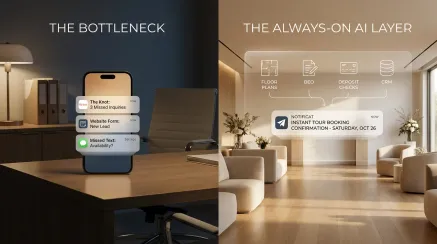
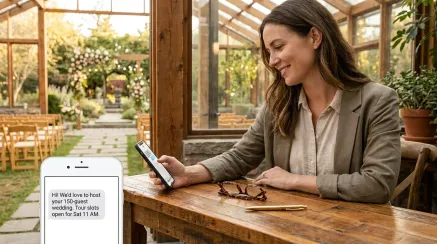
Breezit’s Core Event Center case study is a useful example of what this looks like in practice. The venue was missing after-hours calls and relying too heavily on staff-driven follow-up. After adopting Breezit AI, Core Event Center was able to respond to website inquiries instantly, maintain consistent email and text conversations, and schedule tours directly in their personal calendar.
Within the first two weeks, this drove tours up 10%, about $3,000 in revenue from appointments set by Breezit AI, and roughly five hours saved per week. That case study doesn’t prove what an entire generation believes — but it does prove the kind of sales workflow that performs better when buyers expect speed, clarity, and easy next steps.
That is the broader point. Gen Z and Millennial buyers respond well to sales processes that reduce waiting, confusion, and the effort required to keep moving forward.
How Faster Follow-Up Helps Venues Win More Tours
Venue sales often come down to what happens right after a lead reaches out. At that point, the buyer is interested, but usually not committed. They’re comparing options, checking fit, and deciding who feels most responsive and organized. A slow reply creates uncertainty; a fast reply creates momentum.
Follow-up matters, too. Many venues answer once, but fewer keep the conversation moving in a timely, helpful way. Good follow-up isn’t about pestering people — it’s about making it easy for them to keep going.
When a venue follows up with answers, availability context, proposal details, or a clear tour link, it reduces friction. It makes the decision process feel simpler. That can be the difference between a lead who drifts away and a lead who books a visit.
How to Meet These Expectations Without Burning Out Your Team
Burnout is a very real thing, and your sales team knows minutes are better than days. Meeting these expectations means centralizing channels so email, phone, SMS, and lead portals don’t operate like separate planets. It also means standardizing answers to the questions leads ask most often: pricing, packages, guest counts, deposits, policies, and availability rules.
From there, the next step should be easy. Buyers shouldn’t have to chase someone down to schedule a tour, request a proposal, or get clarification on common questions.
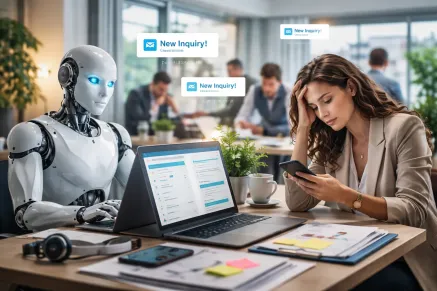
This is where Breezit AI fits naturally into the picture. It’s positioned around the workflow problems many venue teams already deal with: slow replies, scattered channels, inconsistent follow-up, and too much manual back-and-forth.
Breezit AI Supports Your Team — It Doesn’t Replace It
Venue sales are still a deeply human experience. People don’t ultimately book wedding venues, event spaces, or private event packages just because a chatbot responded in ten seconds. They book because they trust the venue, understand the offer, and feel confident in the experience they’re getting.
If you’re trying to win more tours and bookings, the real takeaway is this: Gen Z and Millennial buyers rightfully want a process that feels fast, clear, and easy to navigate. That means building a sales experience that reduces confusion, answers key questions early, and keeps momentum moving.
The venues that do that well are more likely to earn trust early, keep leads engaged, and create better conditions for conversion.
See how Breezit customers are using it to deliver faster replies, better follow-up, and clearer next steps — turning more inquiries into tours and bookings.