How Omnichannel Communication Impacts Venue Bookings


These days, reaching out to potential clients about your venue can feel like navigating a maze. One moment, they might be browsing your website, then shoot you an inquiry via a form or email. Just when you think you have a handle on it, they switch things up with a phone call or a text when they’re ready to move forward.
Across industries, customers now expect businesses to meet them on the channels they already use and to keep those conversations connected. That’s even more the case in venue sales. Twilio found that email, phone, and text all remain important support channels.
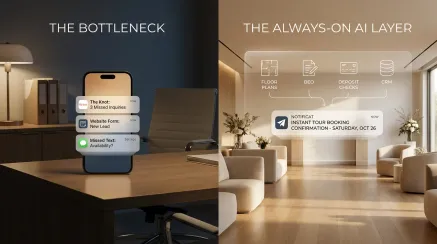
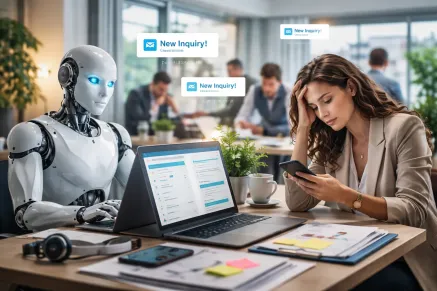
However, many venue teams still approach communication like everything is contained in one tidy inbox during business hours, which isn’t the reality. Messages come in from different places — forms, emails, texts, calls, and even social media. When that happens, it gets tricky. Follow-ups can slow down, important context is easily lost, and potential leads can start to fade away before you even have a chance to engage with them properly.
That is why omnichannel communication matters. It is not just about giving buyers more ways to reach you. The point is to make every interaction feel like it’s part of the same conversation from first inquiry to booking.
Key Takeaways
Omnichannel communication makes it easier for venues to connect with potential clients on the platforms they prefer, helping the team feel more confident in handling inquiries.
- Keep conversations connected: Omnichannel communication helps venues manage inquiries across email, text, phone, and lead portals without losing context.
- Reduce friction for buyers: When replies stay consistent across channels, buyers don’t have to repeat themselves or wait for scattered follow-up.
- Don’t overlook phone calls: Calls still matter in venue sales, especially when buyers want quick answers or are ready to move toward a tour.
- Protect sales momentum: Faster, more connected follow-up makes it easier to keep serious leads engaged.
- Support your team, not replace it: Better systems help sales teams stay organized and responsive across every channel buyers use.
What Omnichannel Communication Means for Venues
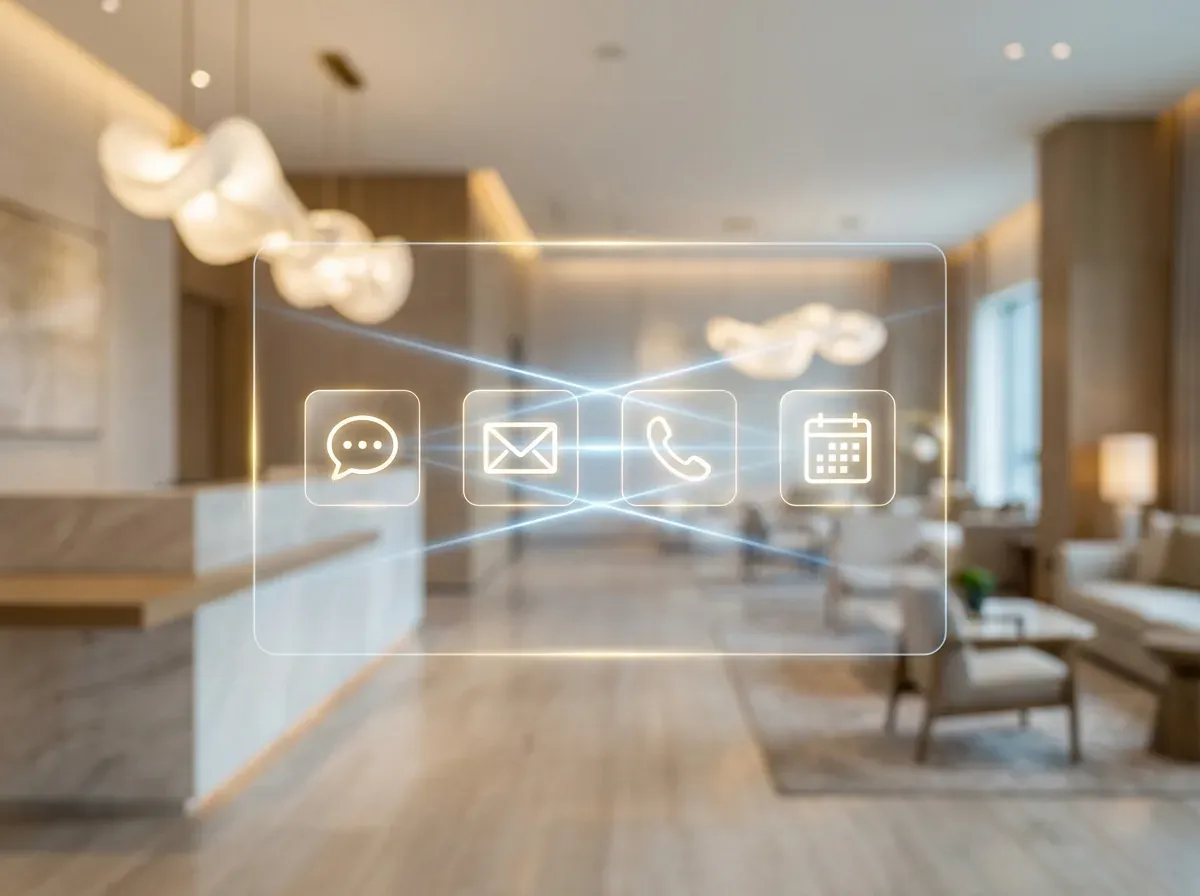
Omnichannel communication means buyers can reach your venue through email, text, phone, website forms, and lead portals without the conversation feeling disconnected every time they switch channels.
The goal is to ensure that clients feel comfortable, whether they prefer to communicate via email, quick text, or a friendly phone call. Planning an event can be complex, but maintaining ongoing communication helps clients feel valued. Keeping communication open is essential for creating a positive experience for everyone involved.
Phone calls are important for urgent questions and instant connection. Email is best for detailed follow-ups. Texts keep the conversation moving, while forms and lead portals start it. An omnichannel approach connects those touchpoints rather than treating each as a separate conversation.
Where Venue Teams Usually Run Into Trouble
Most venues do not struggle because they lack communication channels. They struggle because those channels are not connected.
Website leads may go to one inbox while texts go to another phone. Calls can come in after hours with no clear follow-up process. Team members may reply from different places without a shared context. Even interested leads can lose confidence when they have to repeat themselves or wait too long for a useful answer.
That is the real difference between multichannel and omnichannel. Multichannel gives buyers more ways to reach out. Omnichannel helps venues maintain a consistent experience as buyers move between touchpoints.
What Buyers Want From the Venue Experience
Venue buyers almost never deal with one option. WeddingPro found that most couples inquire about five wedding venues and visit four on average. In that timeframe, they’re trying to get as much information as quickly as possible, mostly because venues book up fast, especially during wedding season. If a venue doesn’t respond quickly enough, it’s easy to get scratched off that couple’s shortlist.
Venue shopping also doesn’t happen from a desk, in one sitting, on one channel. Buyers are searching, comparing, and following up from their phones throughout the process. Pew Research shows that 98% of U.S. adults own a cellphone, and about four in ten say they are online almost constantly. It’s no wonder venue communication needs to work well on mobile devices.
Here’s where access to digital tools really comes in. WeddingPro reports that 90% of couples rely heavily on online chat and venue videos to help them make their decision. What these studies show is that people not only want access to multiple channels — they also want those experiences to be connected.
Why Speed and Consistency Matter in an Omnichannel Sales Process
A fast reply is great, but it’s just one part of effective communication. What really matters is delivering clear and useful information, no matter how or where someone seeks help.
Twilio’s research found that 51% of consumers want responses within an hour, and 46% have bailed on brands because of slow response times. The most telling stat: 86% said they’re more likely to complete a purchase if they can message a brand directly. Buyers want quick answers, but they also want them to be easy to get.
For the venue team, the problem isn’t just replying fast once. It’s keeping up that same speed and clarity across multiple conversations as they move across channels. Those are the operational problems that tools like Breezit are built to help with.
How Venues Can Improve Omnichannel Communication
Improving omnichannel communication doesn’t mean trying to be everywhere at once. It means making it easier for buyers to get answers quickly, through channels they use every day. Zendesk’s 2026 CX Trends report says 74% of customers find it frustrating to retell their story to different agents. It’s easy to understand why — explaining again and again what you’re looking for slows everyone down.
The goal at the end of the day shouldn’t just be faster replies. It should be a customer experience that feels organized, responsive, and easy to keep moving. A better process usually starts with a few basics:
- Centralize inquiries: Ensure website forms, email, texts, calls, and portal leads don’t live in separate silos.
- Create visibility across the team: Everyone handling inquiries should be able to see prior conversations and next steps.
- Set response-time expectations: Fast follow-up matters, but consistency matters just as much. Teams need a realistic standard for how quickly leads should hear back.
- Use shared templates and workflows: Common questions about pricing, availability, capacity, and tours shouldn’t require reinventing the wheel every time.
- Treat the phone as part of the system: Calls should connect to the rest of the sales process, not sit outside of it.
How Breezit Fits Into the Process
This is where omnichannel systems become useful. Managing inquiries for venues can feel overwhelming, but it doesn’t have to be. The key is to make the whole process smooth and simple. Breezit is designed specifically for venues and event professionals, making it easy to manage inquiries from all sources — email, text, phone, or lead portals — and integrate into the workflow your team already uses.
Breezit’s customer stories offer one example of how venues are solving that problem. Core Event Center saw a 10% increase in tours booked after adopting Breezit, with phone, email, text, and website inquiries working together seamlessly.
Venue sales today aren’t confined to just one place. Buyers switch between channels based on what’s most convenient at the moment or how urgent their question feels. The venues that keep up with that change are the ones that reply quickly, stay organized, and nudge leads toward a decision.
Offering omnichannel communication isn’t just a bonus — it’s what today’s buyers expect. A more connected communication process protects your time instead of letting it get lost in scattered follow-up.