Wedding Venue Lead Follow-Up Playbook: Inquiry → Tour → Contract


They said yes – Saturday 11 AM works great. You put it on the calendar, sent the confirmation, and returned to your regular tasks.
However, this is exactly where a lot of venues stop with the lead.
Fast replies are undoubtedly important, but once a tour is booked, the biggest problem is what happens afterward. Most couples, even when they have a booked tour at your venue, still quietly compare venues, so they simply disappear after receiving another proposal that they think might suit their needs better.
Yes, the first response serves a very important purpose and has its own strategy, which is covered in AI Follow-Ups vs Template Follow-Ups. In this article, we’re going to focus on everything that happens after that “yes” to your tour proposal.
This article is a practical wedding venue lead follow-up playbook. It covers the stages, timing, KPIs, and communication flow, all of which move couples from an inquiry to a signed contract. You might start by running these recommendations manually. Once the process works perfectly, don’t hesitate to automate the repetitive parts.
Key takeaways
- Fast first replies are only the beginning. Some of the biggest opportunities usually come between tour booking and the venue visit.
- Build a 10-touch wedding venue follow-up cadence using email, SMS, and phone calls.
- Confirm every tour immediately. Remind couples of the tour 24 hours and 2 hours beforehand.
- Between booking and the tour, send meaningful information. Strictly no generic “just checking in” emails!
- After the tour, follow up consistently with value, answers, proof, and clear next steps.
- Phone calls matter. They’re often the fastest way to understand why someone hasn’t booked your venue (was it the price, timing, guest count, or something else?).
- Automate the follow-up process but have a human to close the deal. Throughout the automation, keep your existing CRM or use Breezit as your CRM.
The funnel: inquiry → reply → tour booked → show → proposal → contract
Map the entire journey before you begin to change individual messages. Did you know that most venues don’t have a messaging problem? They usually have a process problem.
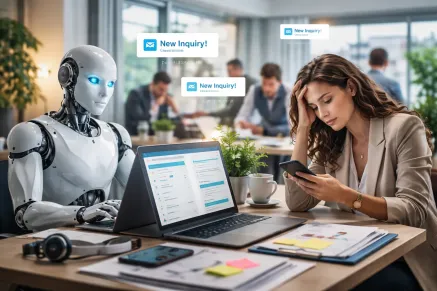
Inquiry. A lead arrives through your website, WeddingWire, The Knot, social media, email, SMS, or a missed call. Try to respond within five minutes. WeddingPro research already mentioned on Breezit’s blog shows that rapid responses dramatically increase your chances of turning a cold inquiry into a real conversation. Besides, around half of couples book the vendor who responds first.
Reply. Answer the exact question they asked and offer two specific tour times. If your responses come only the next morning, fix that first and only then worry about reminders.
Tour booked. That’s definitely good news but don’t yet assume the booking is secure. Confirm it immediately, briefly explain what to expect, and schedule reminders.
Show. Couples who don’t arrive aren’t always bad leads. Many simply forget, become uncertain, or book another venue tour first. If your communication is good, you can reduce all these risks.
Proposal. Send your pricing immediately after the venue tour. Waiting a few days gives your competitors the opportunity to step in and become the last conversation the couple remembers.
Contract. Let’s be honest – nothing is won until the agreement is signed and the deposit is received. Until then, they’re still comparing options and might choose another venue for their big day.
In a nutshell, the most common problems look like this:
- The inquiry receives no reply.
- Reply doesn’t include available tour times.
- The tour is booked, but the communication eventually goes silent.
- The couple doesn’t show up.
- The proposal arrives too late.
- A proposal is sent but never followed up.
- Discount is offered before understanding the real issue.
WeddingPro research (on Breezit’s blog) suggests that couples may need eight to ten touchpoints before making up their mind. The problem is that many businesses never send a meaningful second follow-up… Don’t use random reminders. Build a structured inquiry to tour to contract process that has a clear purpose behind every interaction.
Pre-tour nurture (the week after they booked)
Your goal isn’t to fill their inbox. Instead, make the visit feel real before they even step onto your property.
Don’t send another brochure or a generic “just checking in.”
Useful pre-tour information typically includes:
- Where to park and which entrance to use
- Who they’ll meet and how long the visit lasts
- Who should attend if multiple people are making the final decision
- Answers to questions already asked (these are usually about ceremony locations, rain plans, reception layouts, or guest capacity)
- What information will help during the visit (e.g. guest count or must-have requirements)
- Whether the preferred date is temporarily on hold (if so, until when)
A simple example:
“Looking forward to seeing you on Saturday at 11. Parking is available on Oak Street and we’ll meet you at the front entrance. We’ll spend around 40 minutes walking through ceremony and reception spaces. If more people are making the decision, invite them too. I’ll present the package on site."
If the tour is more than a week away, it’s a good idea to send one additional meaningful touch halfway through. That could be a photo of the rain setup or a recent wedding with a similar guest count.
Every interaction should also be recorded inside Tripleseat, HoneyBook, Perfect Venue, or Breezit if you’re using it as your CRM. That’s how the coordinator leading the tour will know the couple’s priorities before they show up.
Confirmation and reminder sequence that reduces no-shows
This is the part where consistency matters more than creativity.
At booking – confirm (email + SMS):
Your email should include parking instructions, meeting point, duration, and who they’ll meet.
Keep your SMS simple:
“You’re confirmed for Saturday at 11:00 at [Venue]. Say YES if that works. I’ll send one quick reminder before you arrive.”
24 hours before – remind (email or SMS):
Remind them of the appointment and give them a chance to reschedule (just in case). Don’t make them feel guilty if they do need to change the day.
“Tomorrow at 11 – is it still good? If something has changed, just reply with two other windows and we’ll move your tour."
2 hours before – last reminder (SMS):
A short SMS is all you need.
“See you at 11. I’ll meet you at the main entrance. Text me if you’re running late.”
Don’t rely on a single channel.
If the inquiry started through email, continue with email but send important reminders by SMS. You may stick to text messages if that’s how they started the communication.
Calling is also a good way to reach out, especially if they started ghosting you. A two-minute conversation might reveal the real issue much faster than three or four unanswered emails ever will.
This is why combining email, SMS, and phone calls throughout the full follow-up journey is crucial. See how omnichannel communication impacts venue bookings.
Breezit has already shared how Black Oak reported cutting no-shows by 50% after introducing AI into their conversations. They managed to automate around 90% of those interactions! Of course, that’s an example, not a promise.
If someone misses the appointment, don’t disappear. Send a same-day SMS, follow up with an email, and make one phone call. When doing that, offer two new time slots and restart the reminder sequence after they reschedule.
Day of the tour and the hour after
When the reminder sequence is done, get ready to guarantee that the experience matches what you promised.
If part of the venue is unavailable, tell them before they arrive. Small surprises can hurt trust much more than bad news delivered honestly and professionally.
Assign one person to own the tour. Tell them to write down every question the couple asks because these details will customize and drive your post-tour follow-up wedding venue sequence.
One of the most valuable messages is the one you send within a few hours after they leave.
For example:
“Thanks for visiting today. It was great showing you how the ceremony overlooks the gardens. I’ll send your proposal with all the details by tomorrow morning. If you’d also like pricing for Friday weddings, just let me know."
Mention something specific from the visit. People recognize generic automation very quickly these days.
Send the proposal the same day if possible, or the next morning at the latest. It’s also a good idea to include the hold window in writing.
Post-tour 10-touch follow-up cadence
Never disappear after sending the proposal.
We recommend 10 structured follow-ups using multiple channels. Every touch should have a clear purpose. The golden rule here is: mix email, SMS, and phone calls and don’t just repeat the same message.
Touch 1 – Same day
Thank them for visiting.
Mention one specific detail from the tour.
Say when the proposal will arrive.
Touch 2 – Day 2
Answer one question they raised during the venue tour.
You may say something about the rain plan, catering flexibility, parking, or ceremony timing.
Touch 3 – Day 4
Share one success story or photo from a similar wedding with the same guest count.
Touch 4 – Day 7
Follow up by phone.
Your goal is not to sell. The goal is to learn.
Ask if they have any questions about the proposal. Find out if there’s anything preventing them from moving forward.
This step is particularly important because that’s where couples explain the real issue: another venue, uncertainty around guest numbers, family discussions, timing, budget…
Touch 5 – Day 10
Email additional value.
You may want to include answers to some frequently asked questions or information related to their specific wedding plans.
Touch 6 – Day 14
Send a soft reminder about the hold period together with available next steps.
It’d be useful to offer a short call (works much better than another long email).
Touch 7 – Day 18
Make another phone call if they haven’t responded.
Don’t be hesitant to do that. You’re not chasing them. You’re trying to understand if the opportunity is still active or whether it should be closed.
Touch 8 – Day 22
Send one piece of social proof. It can be a recent review or a venue update.
Touch 9 – Day 26
That’s where you have to be straightforward (yet, polite).
Ask them directly if they’re still considering your venue.
Touch 10 – Day 30
Close the conversation professionally.
If the date is still available, remind them one last time.
If they’ve chosen another venue, thank them and close the opportunity.
Don’t let them sit in your pipeline for months. That won’t do any good anyway.
Remember that the purpose here isn’t just to send ten reminders. It’s to have ten meaningful opportunities to help the couple make up their minds.
Re-engaging after a proposal
Silence doesn’t always mean your price is too high. That’s why offering a discount right away isn’t the best strategy.
Try to understand the real issue.
Instead of offering a discount, write something like this:
“Just so I understand: what’s the biggest thing stopping you from moving forward? Is it the date, the package, or something else?”
That’s also where phone calls become especially useful. People often ignore emails (as it takes time to write everything) but are more willing to explain their concerns during a short conversation.
React accordingly:
A different package might fit them better? Offer it.
Pricing is the issue? Mention that Friday is cheaper than Saturday.
Don’t forget that discounts should solve real problems, not reward silence.
The same principles from Why AI Personalizes Responses Better Than Humans apply when talking about re-engaging after a proposal. Good follow-up doesn’t rely on generic templates.
Weekly KPIs
Review five numbers every Monday.
Median reply time. Short and clear: respond within five minutes. Did you know that only 7% of companies hit 5 minutes while over 80% of clients expect a reply within 10 minutes?
Inquiry → Tour. Booked tours divided by inquiries. If this number is low, improve your first reply before changing the follow-up.
Show rate. Bad attendance usually means you need to work on your reminders.
Tour → Contract. Divide date holds by completed tours. If this rate is in the red, review same-day proposal speed and your wedding venue follow-up cadence.
Stalled opportunities. Look for proposals older than two weeks. Those most probably deserve a personal phone call.
How AI uses this playbook
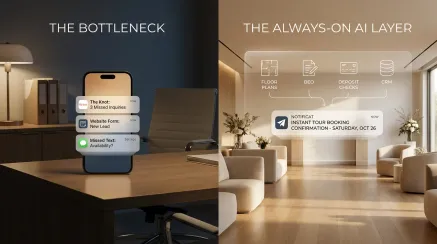
AI shouldn’t replace your sales team. What it should do is make sure that no lead slips through the cracks.
Good AI for wedding venues should:
- Confirm tours
- Send 24-hour and 2-hour reminders
- Personalize thank-you messages using notes from the visit
- Run the full 10-touch cadence across email and SMS
- Remind staff when a phone call is needed
- Record every interaction into the CRM
When someone asks for custom pricing, becomes unhappy, or requests something unusual, AI should be able to hand the conversation to a person immediately.
Breezit AI is designed exactly that way so it can easily manage conversations across email, SMS, and phone. Learn more in How AI Helps Sales Reps Close More Bookings.
How Breezit fits (your CRM stays, or Breezit becomes your CRM)
Already using Tripleseat, HoneyBook, Perfect Venue, or another CRM? Nice, keep it.
Breezit AI integrates seamlessly into your existing workflow.
Don’t have a CRM yet?
You can use Breezit as your CRM as well. You’ll be able to manage inquiries, conversations, appointments, follow-ups, and bookings from one place. No need to buy another platform first!
Whichever of the two is your story, the goal is the same: automate the repetitive work and let your team spend more time giving tours and handling complex situations.
Run the playbook yourself first. After that, let Breezit AI handle the routine follow-up so you can focus on actually closing deals.
Get a 1:1 Venue Fit Check – 15 minutes. That’s all you need to see if your business can go along with Breezit AI.
FAQ
What is the best wedding venue lead follow-up process?
Confirm the tour right away and remind them of the tour 24 hours and two hours beforehand. Then, follow a structured 10-touch sequence using email, SMS, and phone calls.
How many follow-ups should a wedding venue send?
Up to 10 meaningful follow-ups. Each must provide value or gather information. Strictly no “just checking in.”
Why should venues use phone calls?
A phone call is a great way to figure out why couples haven’t booked. A quick call can help you identify the real issues such as pricing, timing, guest count, or competing venues. Emails rarely reveal all that.
Do I need to replace my CRM?
No. Breezit AI integrates seamlessly with existing CRMs. However, if you don’t have one, Breezit can also serve as your CRM that can manage inquiries, follow-ups, and bookings.
Can AI automate venue follow-up without sounding robotic?
Yes, if every message uses context from the inquiry or tour. AI should hand the conversation to a person when custom pricing, complaints, or complex questions arise.
Related reading
Already on justbreezit.com:
- AI Follow-Ups vs Template Follow-Ups
- How AI Helps Sales Reps Close More Bookings
- Does AI Actually Care More About Your Venue Leads Than You Do?
- Why AI Personalizes Responses Better Than Humans
- How Omnichannel Communication Impacts Venue Bookings
In this series:
- AI for Wedding & Event Venue Inquiries
- How to Respond to Wedding Venue Inquiries
- The Knot & WeddingWire Lead Follow-Up
Run the playbook manually once. Then let Breezit AI handle the cadence. Your team will focus on tours and signing contracts.